

Since 2012
-
Nurse-led team
-
Afterpay available
Before booking any one of our skin treatments, we recommend a consultation with one of our incredible skin specialists.

Dermaplaning is a gentle exfoliating treatment that removes the build-up of dead skin cells and fine vellus hair, often referred to as peach fuzz, from the surface of the skin.
Using a specialised sterile blade, the treatment carefully glides across the skin to create a smoother, brighter and more refined-looking complexion. It can also help skincare products absorb more effectively and create a beautifully smooth base for makeup.
Dermaplaning is a popular option for anyone wanting an instant refresh without significant downtime.
Your treatment begins with a cleanse and skin assessment to make sure dermaplaning is appropriate for you.
Once the skin is prepared, your therapist gently passes a sterile dermaplaning blade across the surface of the skin at a controlled angle. This removes dead skin cells and fine facial hair without cutting or damaging healthy skin.
After the exfoliation is complete, calming and hydrating products are applied to support the skin barrier and leave your complexion feeling soft, smooth and refreshed.
The treatment itself is generally comfortable and requires little to no downtime, although your skin may feel slightly sensitive immediately afterwards.
Dermaplaning can be suitable for many skin types, particularly those experiencing dryness, dullness, uneven texture or a build-up of dead skin cells.
It can also be a great option for people wanting smoother makeup application or a quick skin refresh before an event.
However, dermaplaning may not be recommended if you have active acne, open wounds, significant skin irritation or certain inflammatory skin conditions. If you are unsure, the BDJ team can assess your skin beforehand and recommend the most suitable treatment for your current skin condition and goals.
For many clients, dermaplaning can be performed approximately every four to six weeks, giving the skin time to complete its natural renewal cycle between treatments.
The ideal frequency will depend on your skin type, sensitivity, skincare routine and what you are trying to achieve. Some people enjoy dermaplaning as an occasional treatment before an event, while others incorporate it into a regular skin maintenance plan.
Your BDJ therapist can recommend a schedule that works best for your skin rather than simply treating to a fixed timetable.
Ready for
your BDJ era?
Start with a consultation, book your favourite treatment or come in and meet the team. Better skin, body confidence and seriously good hair are all under one very stylish roof.

We only use the best





What people are saying about us
Taken from just a handful of our reviews on Google.
See All Reviews on GoogleThe most incredible three hours spent at the BDJ Skin & Body in Carlisle! From the moment I walked through the door, I was treated with genuine care and made to feel like a VIP.
I started with a brow wax and tint, followed by a lash lift with Finn, who was so professional and attentive. Then Dayna worked her magic with a colour refresh, and Giselle finished everything perfectly with a relaxing rinse and beautiful blow dry.
Every member of the team was warm, welcoming, and highly skilled. It wasn’t just the treatments that made the experience exceptional, it was all the thoughtful touches, from refreshments to the outstanding customer service throughout my visit.
The entire experience was truly five star. If you’re looking for a salon where you’ll be pampered, looked after, and leave feeling amazing, I couldn’t recommend BDJ Skin & Body more highly. A guaranteed VIP experience every time!

I’ve been a client of BDJ for the past few years – for good reason. Fin and the other ladies are so warm, generous with their time and experts in skin care. Whenever someone tells me I look much younger than my age, I tell them it’s because of my BDJ facials hehe.
Had a lovely consultation with Lurnae. We went over all my skin concerns and discussed health concerns that could be contributing to my skins condition. From there we did a cleanse and mask where I got to trial some of the products they recommended. They worked with my budget when offering services and products. They also wrote down all the information and recommendations which is really helpful for remembering!
I love BDJ and highly recommend! From the moment I walk in, it is relaxed and welcoming, and I always walk out feeling amazing. Abby is incredible with hair and does the best job with extensions- I couldn’t be happier!
I bought the Venus viva package and have been seeing Lurnae and there is such a noticeable difference. It’s insane and can’t wait for the final result. The skin tightening in between is great. I absolutely trust the team here and would recommend to everyone!
I’ve been getting my hair done for a while now at BDJ with Abby. Recently we did a foil refresh and some fresh vivid colours and the pictures really speak for themselves! I couldn’t recommend this salon and Abby enough. Truly incredible
Clever people + lovely humans
A nurse-led team that is passionate about all things beauty, skincare and continuous learning.
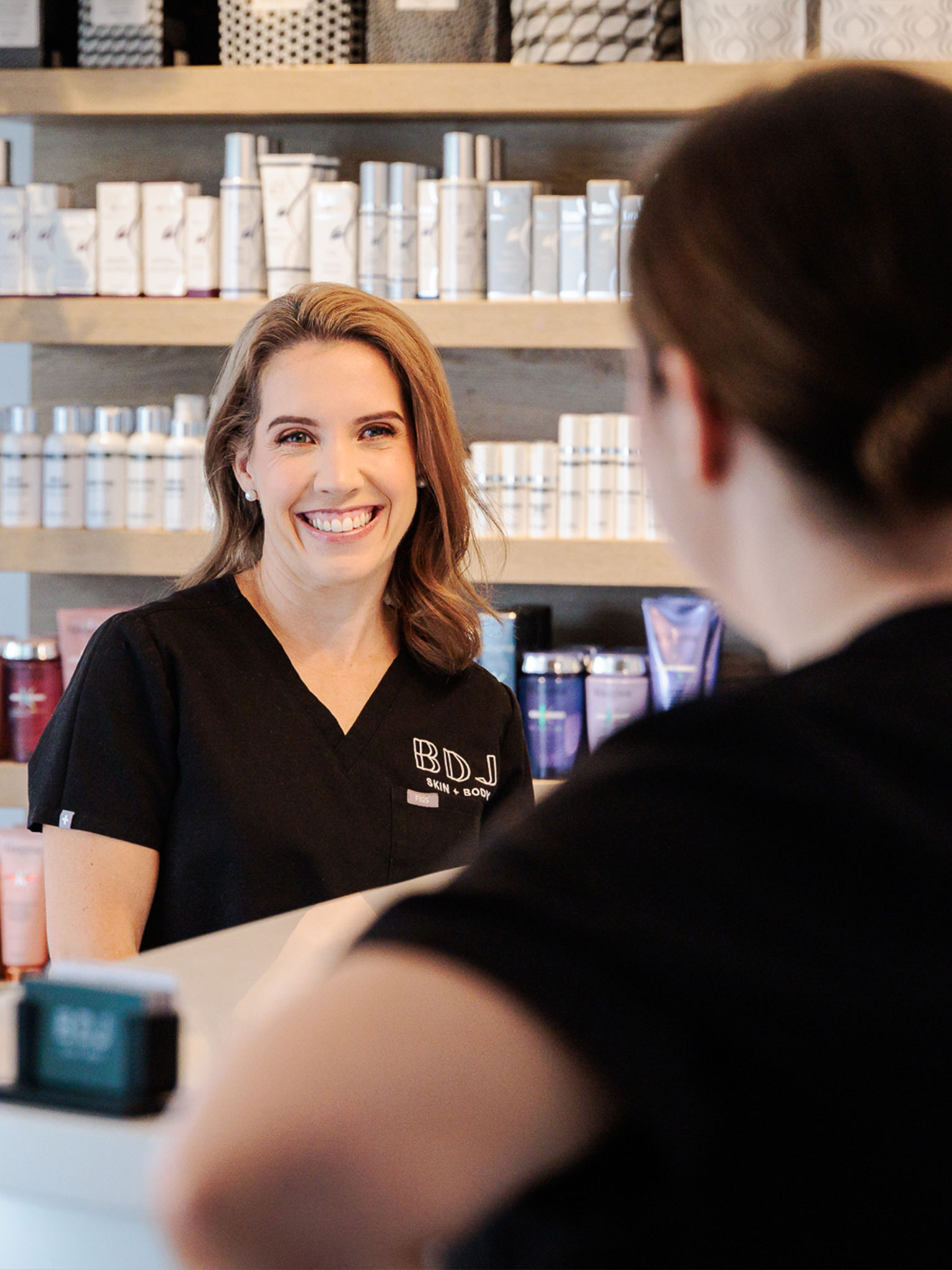

Shop the professional products our team knows, trusts and recommends in clinic.
Not sure what belongs in your bathroom? Start with a skin consultation or ask the BDJ team before adding to cart.
Shop NowBDJ Skin + Body
BDJ Skin + Body
BDJ Skin + Body
BDJ Skin + Body
BDJ Skin + Body
BDJ Skin + Body
BDJ Skin + Body
BDJ Skin + Body
BDJ Skin + Body
BDJ Skin + Body
BDJ Skin + Body
BDJ Skin + Body
Ready for
your BDJ era?
Start with a consultation, book your favourite treatment or come in and meet the team. Better skin, body confidence and seriously good hair are all under one very stylish roof.
Questions we get asked about dermaplaning
Dermaplaning does not change the structure of the hair follicle, so the fine vellus hair removed during treatment will grow back in the same way it did before. It will not become thicker, darker or coarser as a result of the treatment.
Dermaplaning is generally considered a comfortable treatment. Most people describe it as a light scraping or brushing sensation across the skin rather than anything painful.
Because the treatment works only on the outermost surface of the skin, there is usually very little discomfort involved.
There is typically little to no downtime after dermaplaning. Your skin may appear slightly pink or feel a little more sensitive immediately after treatment, but this usually settles quickly.
We recommend being gentle with your skin afterwards and following any aftercare advice provided by your therapist.
It is usually best to give your skin a little time to settle before applying makeup, particularly immediately after treatment.
One of the biggest benefits of dermaplaning is how smooth the skin feels afterwards, so makeup often applies more evenly once the skin has had time to recover.
Dermaplaning can help improve the appearance of mild surface texture and make the skin feel smoother, but it is not designed to treat deeper acne scarring.
If scarring is one of your main concerns, the BDJ team may recommend other treatments such as skin needling, resurfacing treatments or a personalised combination approach.
Yes, dermaplaning can often be paired with other skin treatments depending on your skin type and goals.
Because it removes surface build-up, it can be a useful addition to certain facials, hydrating treatments or other professional skin services. Your therapist can advise which combinations are appropriate for your skin.
Dermaplaning can be a great pre-event treatment because it leaves the skin looking smoother, fresher and more refined, while also creating a smoother base for makeup.
If you have not had dermaplaning before, we generally recommend avoiding trying a brand-new treatment immediately before a major event, just in case your skin reacts differently than expected.
After dermaplaning, your skin may be a little more sensitive than usual. It is generally best to avoid strong exfoliants, active skincare ingredients and excessive heat for a short period after treatment.
Daily SPF is especially important, as freshly exfoliated skin can be more sensitive to sun exposure.
Many people with sensitive skin can still have dermaplaning, but it depends on the condition of your skin at the time of treatment.
If your skin is irritated, inflamed or experiencing an active flare-up, your therapist may recommend waiting or choosing a gentler alternative. A skin assessment beforehand helps us make that call.
Most people notice the difference straight away. Skin often feels noticeably smoother and looks brighter and more refreshed immediately after treatment.
The overall result can continue to look its best over the following days as the skin settles and your skincare routine continues to support hydration and skin health.